

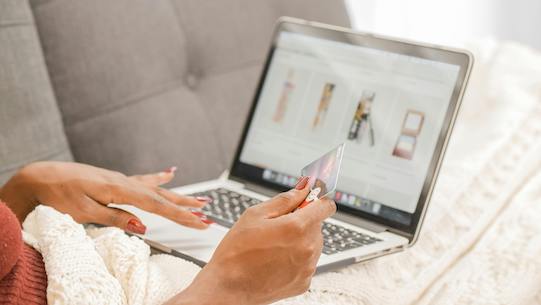
Your Beauty Expertise Is A Billion -Dollar Opportunity, The Market Is Ready, Are You?
Beauty Expertise. Published on Beauty Business Blueprint
There’s a quiet revolution happening in beauty and it’s being led not by corporate giants, but by people like you.
Estheticians who formulate your own facial serums. Aromatherapists who blend therapeutic oils with the precision of a scientist and the soul of an artist. Handmade beauty artisans who pour your knowledge, passion, and intention into every batch of whipped body butter, botanical toner, and handcrafted soap.
The market is ready. The numbers prove it. And this article is going to show you exactly why now is the most powerful time in history to turn your craft, and expertise into a thriving online beauty business.
The Numbers Don’t Lie: You’re Entering a Booming Market
Let’s start with the landscape, because when you understand the size of the opportunity, fear starts to look a lot like excitement.
The global beauty and personal care market was valued at $646.2 billion in 2024, and is projected to reach $821.4 billion by 2032. That’s not a niche. That’s an industry larger than the GDP of most countries on the planet.
But here’s what matters most for you: the digital shift is where the real story lives.
Online beauty sales surged 14.1% in a single year, helping push the overall beauty market to $104.9 billion in the U.S. alone. Even more telling — 41% of all beauty and personal care sales now happen through e-commerce. Nearly half the market has moved online, and it’s still accelerating.
McKinsey’s State of Beauty 2025 report projects that by 2030, online channels will account for nearly one-third of all global beauty sales. This is the highest share of any single sales channel. The window isn’t closing. It’s opening wider every year.
Beauty Expertise In Clean Beauty Is Your Unfair Advantage
Here’s where it gets really interesting, especially for natural beauty makers.
The clean beauty market — the space that lives and breathes the values of ingredient transparency, non-toxic formulations, and sustainable sourcing — was valued at $9.21 billion in 2025, and is on track to reach $37.49 billion by 2035, growing at a remarkable 15.2% annually.
To put that in perspective: while the broader beauty industry grows at about 5% per year, clean beauty is growing at three times that rate.
And consumers aren’t just curious, they’re committed. Sixty-three percent (63%) of beauty consumers say clean ingredients are extremely or very important when selecting a product. Nearly 68% of consumers say they specifically want skincare made with clean ingredients. That’s not a trend. That’s a movement with market share behind it.
North America is leading this charge, accounting for 34.7% of the global clean beauty market — making the U.S. one of the most fertile grounds in the world to launch an ingredient-conscious beauty brand.
As an esthetician, aromatherapist, or handmade beauty artisan, you are already making what consumers are desperately searching for. You don’t have to “pivot” to clean beauty, you “are” clean beauty.
Who’s Buying Beauty Expertise, and What Are They Looking For?
Understanding your customer is the foundation of every successful beauty business. So let’s look at who is spending and what they actually want.
Millennials , those born between 1981-1996, are currently the most powerful force in online beauty, driving $16.7 billion in online beauty sales, the highest of any generation. They are brand-conscious, values-driven, and increasingly loyal to indie and small-batch brands that align with their lifestyle.
Gen Z (1997-2012) is close behind, spending an average of $342 per year on beauty products — a figure that’s only growing. What’s striking about this group: 43% of Gen Z consumers prefer direct-to-consumer beauty brands over traditional retail. They want to buy from the maker, not the middleman.
And across generations, one trend is reshaping the industry: personalization. A full 75% of consumers say they’d pay more for a personalized shopping experience. Among Gen Z specifically, 7 in 10 would pay at least 10% more for that personalized touch.
Think about what that means for you. Your story, your process, your formulation expertise — these aren’t just marketing assets. They are the personalized experience that consumers are willing to pay a premium for.
Social Commerce Is the New Storefront
If you’re not yet selling — or at least showing up — on social media platforms, you’re leaving real money on the table.
37% of consumers discover new cosmetic brands through social media ads, and platforms like TikTok have fundamentally transformed the beauty buying journey. In the U.S., health and beauty products now account for approximately 80% of TikTok Shop sales, totaling $1.34 billion in 2024 alone.
The clean beauty hashtag had 1.3 billion views on TikTok — not followers, views. People are actively searching for products like yours. The question is whether they find you when they look.
For estheticians, aromatherapists, and handmade beauty artisans, social media isn’t just a selling platform — it’s an education platform. Sharing your knowledge about ingredients, your formulation process, or the benefits of essential oils builds trust before the transaction. It turns browsers into believers, and believers into buyers.
The Skincare Segment: A Home Base for Beauty Expertise and Their Makers
If you’re creating facial serums, body oils, botanical toners, or any skin-focused products, you’re working in the most dominant segment of the entire beauty market.
Skincare accounts for 40–42% of the global beauty market, making it the largest single category — valued at over $180 billion globally. Skincare is the clear segment leader regardless of which research firm you consult, and it’s where ingredient-conscious consumers are most focused.
The aromatherapy market deserves its own spotlight here. Essential oils and botanical ingredients are no longer alternative — they’re mainstream. Essential oil usage in cosmetics has grown 20% in recent years, and the wellness-meets-beauty crossover is one of the most discussed macro trends in McKinsey’s 2025 beauty report.
Body care is also having a major moment: prestige body products grew 25% in a single year, with 17% more buyers entering that segment in 2024 compared to the year before. If you make body butters, body scrubs, or botanical body oils, the market is expanding around you in real time.
What This Means for Your Business: A Practical Lens
The data paints a clear picture, but data only matters when it changes behavior. So what does all of this mean practically?
Your expertise is your edge. In a market saturated with mass-produced products, your training — whether as a licensed esthetician, a certified aromatherapist, or a self-taught artisan with deep ingredient knowledge — is a differentiator that major brands cannot replicate. Lead with it.
Your online store is your most important storefront. With nearly half of all beauty sales happening online, a well-built e-commerce presence isn’t optional — it’s essential. Whether you use Shopify, Etsy, or a standalone website, your digital storefront needs to communicate your story, your ingredients, and your expertise clearly and compellingly.
Transparency is currency. Consumers are actively reading ingredient labels, researching formulations, and fact-checking brand claims. The more open and honest you are about what’s in your products and why, the more trust you build — and in the clean beauty space, trust converts to sales.
Community over audience. The brands winning in this space aren’t just selling to customers — they’re building communities. Email lists, behind-the-scenes content, educational posts, and loyalty programs all create the kind of sticky relationship that keeps customers coming back and referring friends.
The Moment Is Now For Sharing Your Beauty Expertise
Here’s the honest truth: the gap between where you are and where you want to be is not about talent. You have that. It’s not about the market — you’ve just seen how enormous and hungry it is.
The gap, most often, is about belief — and then strategy.
You’ve already done the hard work of developing a skill, refining your craft, and creating something worth selling. The beauty industry is growing, clean beauty is on fire, and consumers are actively seeking out brands with heart, knowledge, and integrity.
That is your description.
The online beauty market isn’t waiting for the big brands to figure out what you already know. It’s waiting for you to show up, stake your claim, and share your work with the world.
Your business deserves to exist. Your products deserve to be found. And your customers — the ones who will love what you make — are already looking for you.
Ready to take your next step? Explore Beauty Business Blueprint for tools, strategies, and resources designed specifically for beauty entrepreneurs who are ready to build something real.
That’s it for this week,
Honor Your Craft. Build Your Online Business.
Juliette Samuel,
Where Beauty and Business Meet.
Sources: Circana U.S. Beauty Industry Report (2025) · NIQ Beauty Mid-Year Update (2024) · McKinsey State of Beauty (2025) · Grand View Research Clean Beauty Market Report · Market Research Future Clean Beauty Forecast · Statista Beauty & Personal Care Outlook · Piper Sandler Teen Consumer Survey (Fall 2024)